
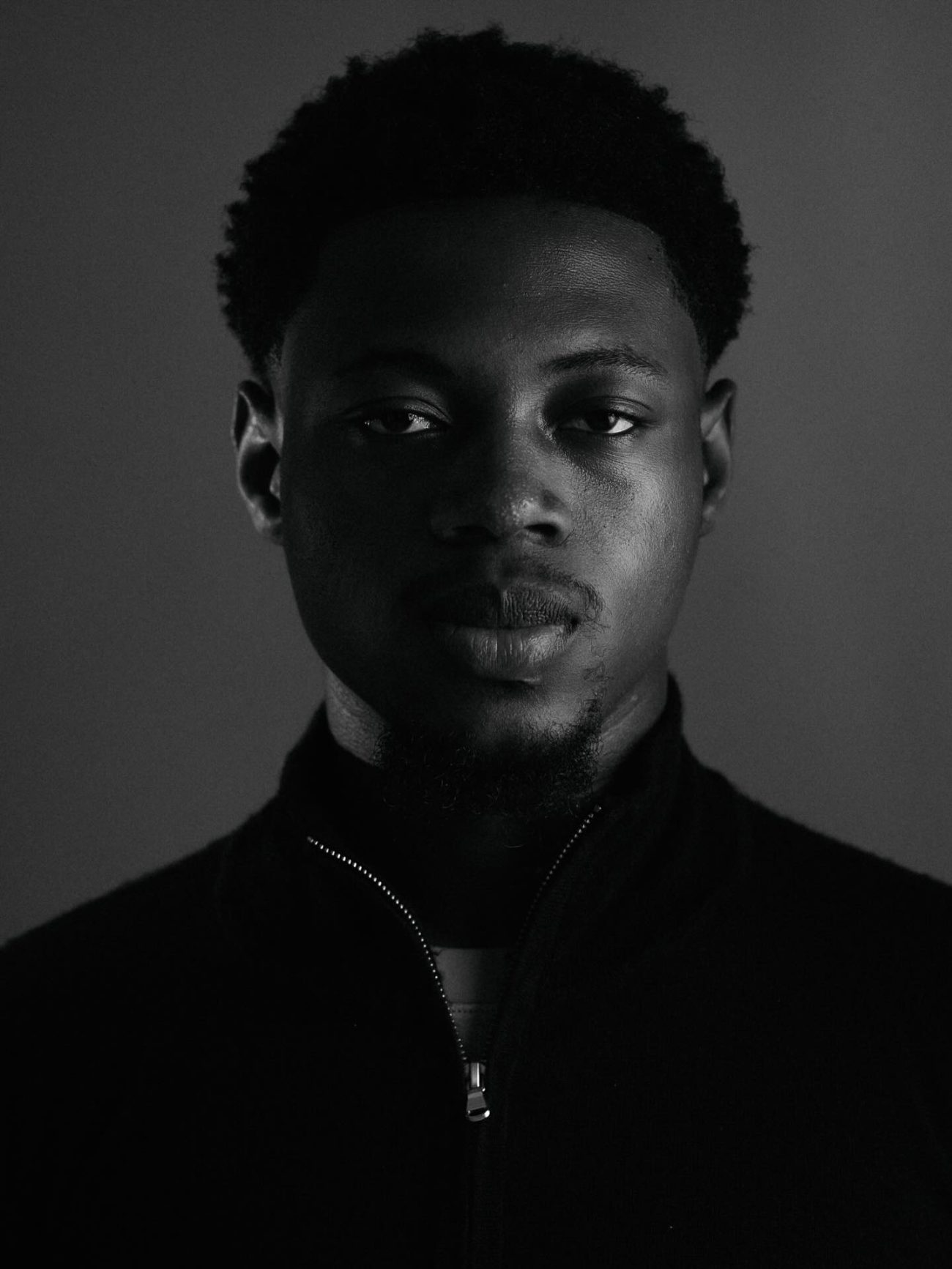
From a church media team to fashion campaigns and editorial photography, Ghanaian photographer Jones Martey is developing a visual practice that brings together fashion, culture and contemporary African storytelling. His journey is not just about taking photographs, but about shaping how African creativity is seen and remembered.
Fashion photography is more than capturing beautiful clothes or creating striking images. It is about telling stories, communicating identity and influencing how people experience fashion. For Ghanaian photographer Jones Martey, professionally known as Barima Jones, the camera is a tool for exploring these possibilities.
As the founder of Project B Visuals, Martey works across fashion, editorial, portrait and commercial photography. His approach draws from fashion, art, archival references and contemporary African narratives, creating images that go beyond aesthetics to communicate a sense of identity and place.
But his journey into photography did not begin with a professional studio or major fashion campaign. It started with curiosity and an opportunity to learn.
From a Church Media Team to the World of Photography
Martey’s introduction to photography came through his church’s media team. Although he had long admired painters, writers and photographers, he initially had little experience behind the camera. Joining the team allowed him to learn from more experienced individuals, gradually developing his skills through observation, practice and personal projects.

Those early experiences became the foundation of his career, eventually opening doors to professional assignments and opportunities within the creative industry.
One particularly meaningful milestone was his participation in a UNFPA photography competition focused on raising awareness about early girl-child marriage. His photograph was selected among 16 finalists and received the overall winning recognition, earning an exhibition at the British High Commissioner’s residence in Ghana.
Beyond the recognition, the experience extended into community support. Martey and his friends visited the students involved in the project and distributed sanitary pads, demonstrating how photography can contribute to conversations and causes beyond visual aesthetics.
Finding His Identity Through Editorial Photography
Although Martey works across different photographic genres, editorial photography remains at the centre of his creative identity. He has spoken about deliberately maintaining this speciality, even while exploring commercial opportunities in fashion, beauty, lifestyle and documentary photography.
His commitment comes with challenges. Fashion and editorial assignments can be seasonal in Ghana, making it difficult to maintain a consistent income from the discipline alone. Through Project B Visuals, he has sought to balance his creative interests with the commercial realities of running an independent photography business.

For Martey, however, editorial photography offers something particularly valuable: the freedom to experiment, challenge familiar ideas and create images that communicate more than what is immediately visible.
His interest in fashion also influences how he approaches photography. Clothing, styling, movement and composition become elements of a larger narrative. Rather than simply documenting what someone wears, he considers how the garment, the subject and their surroundings work together to tell a story.
Looking Back to Create Forward: An African Visual Perspective
Perhaps the most interesting aspect of Martey’s creative philosophy is his relationship with African history and archival storytelling.
He draws inspiration from archival stories, combining historical references with contemporary lifestyle narratives. His approach pays attention to colour, tones, architecture, monuments and shadows, allowing the surrounding environment to become part of the visual story.


This creates an interesting relationship between heritage and modernity. African visual identity does not have to depend on repeating traditional symbols or familiar representations. It can also emerge through contemporary fashion, architecture, everyday experiences and the reinterpretation of historical references.
Ghana itself offers a rich photographic history, from the historic Deo Gratias studio in Jamestown to the work of photographers who documented generations of social and cultural life. For contemporary image-makers, these archives provide opportunities to revisit the past while imagining new ways of representing the present.
Martey’s Afro-modern perspective speaks to this possibility: creating imagery that remains connected to African cultural references without being limited by them.
Beyond Fashion: Documenting the Culture Around Us
His interest in visual storytelling is not restricted to fashion campaigns. In his reflection, Echoes of a Legacy: Ghana’s Brass Band Culture, Martey explored the history and evolution of Ghanaian brass band traditions, particularly their presence in places such as Takoradi and Tema.


The project revealed another dimension of his photographic interests: documenting the cultural expressions that shape everyday African life.
Music, celebrations, communities and traditions are all part of the visual history of a society. By turning his camera towards these subjects, Martey contributes to a wider conversation about preserving and interpreting African cultural experiences.
Creating Visual Identities for African Brands
Through Project B Visuals, Martey also works at the intersection of photography, storytelling and brand identity. His portfolio includes projects associated with 54 Thrones, Ometsey, Kayadua, Christie Brown and Ajabeng.
These collaborations highlight the importance of photography in how fashion and lifestyle brands communicate their identities. A campaign is not simply about presenting a collection; it is about establishing a mood, communicating a philosophy and creating a visual experience that audiences can recognise.


For African designers, this is increasingly important. As the continent’s fashion industry continues to attract wider attention, distinctive visual storytelling becomes part of how brands establish their presence.
Martey’s work demonstrates how photography can help translate a brand’s creative vision into imagery while maintaining an individual artistic perspective.
Building a Visual Legacy from Ghana
Like many independent creatives, Martey must navigate the balance between artistic ambition and commercial sustainability. Yet, his commitment to editorial photography and his interest in African cultural narratives point towards something bigger than individual assignments.
His ambitions include collaborating with creatives such as Ozwald Boateng, Joshua Kissi and Lukhanyo Mdingi, reflecting an interest in participating in wider conversations around fashion and contemporary visual culture.


Ultimately, his journey raises an important question: what should African fashion photography look like, and who gets to define it?
For Martey, the answer lies in creating images that draw from history, embrace contemporary expression and communicate a perspective that feels authentic to the people and environments being photographed.
As African fashion continues to evolve, photographers have an important role in documenting its designers, movements and cultural influences. Their images become part of the record through which future generations understand the creativity of their time.
Jones Martey’s story is still unfolding, but his approach reflects an important idea: photography is not just about capturing what exists. It is also about shaping how it will be remembered.
Because the future of African visual culture will not only be defined by the clothes we create, but also by the images through which the world comes to see them.